Posted by Jennifer Johnson on June 11, 2026
Uncategorized
Why Flower Prices Rise: The Journey of Blooms Around the World
When you stop into your local flower shop and admire a bouquet of roses, tulips, lilies, or hydrangeas, it’s easy to assume those flowers were grown nearby. In reality, many of the blooms florists use every day have traveled thousands of miles before arriving in a vase.
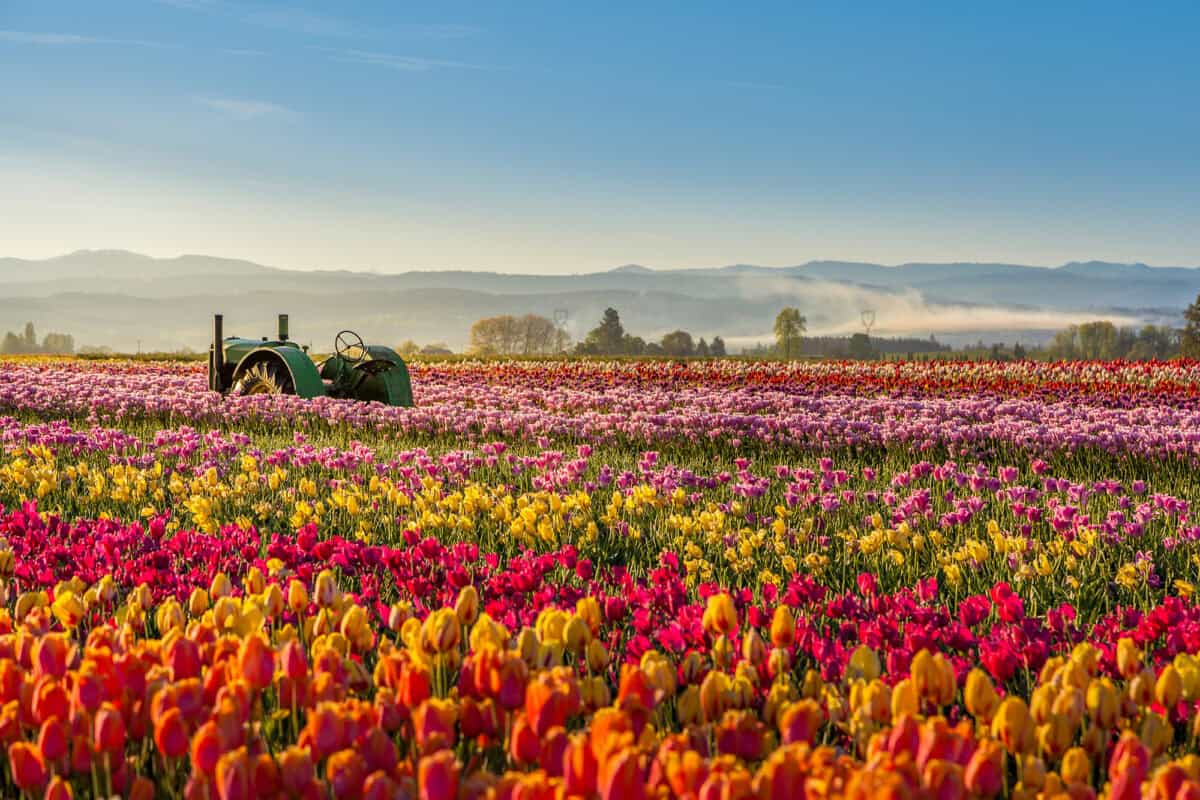
The floral industry is truly global. Roses may come from Ecuador or Colombia, ranunculus from Italy, tulips from the Netherlands, and specialty flowers from farms across South America, Africa, and Asia. These regions provide ideal growing conditions year-round, allowing florists to offer beautiful flowers regardless of the season.
But with flowers traveling such long distances, weather events around the world can have a significant impact on both availability and cost.
How Weather Affects Flower Supply
Flowers are agricultural products, making them highly dependent on favorable growing conditions. When droughts, floods, hurricanes, or unexpected temperature swings occur, flower farms can experience major crop losses.
Over the past two years, many growing regions have faced severe weather challenges. Flooding has damaged fields, delayed harvests, and disrupted transportation routes. Excessive rainfall can lead to disease issues in flower crops, while drought conditions can reduce bloom production and increase irrigation costs.
When fewer flowers are available, prices naturally rise as growers, wholesalers, and florists compete for limited inventory.
The Cost of Getting Flowers Here
Even after flowers are harvested, they must be carefully transported to maintain their freshness. Most flowers travel by refrigerated truck, cargo plane, and distribution networks before reaching local florists.
Transportation costs have increased significantly in recent years due to higher fuel prices, labor shortages, and supply chain disruptions. When weather events affect airports, roads, or shipping routes, those costs can climb even higher.
For flowers that are flown in from overseas, a single delay can create challenges throughout the entire supply chain.
Why Florists Continue to Source Globally
Despite these challenges, sourcing flowers from around the world allows florists to offer a wider variety of blooms and colors throughout the year. It means customers can enjoy roses in February, peonies outside their traditional season, and unique specialty flowers that may not grow locally.
Florists work closely with trusted growers and wholesalers to find the highest-quality flowers while managing changing costs and availability.
What This Means for Customers
When flower prices increase, it’s rarely due to a single factor. More often, it’s the result of weather conditions, transportation costs, labor expenses, and global supply challenges working together.
At the same time, florists remain committed to creating beautiful arrangements that bring joy, comfort, and celebration to life’s most important moments.
The next time you receive a bouquet, consider the remarkable journey those flowers may have taken—from a farm thousands of miles away to a local florist’s cooler, and finally into your hands. Each bloom tells a story of nature, hard work, and a global network dedicated to sharing beauty with the world.



 Why Flower Prices Rise: The Journey of Blooms Around the World